Maxillofacial surgery · Cali, Colombia
Your wellbeing deserves specialised hands.
Precision, experience and care in every decision.
Surgery begins long before the procedure: with a proper diagnosis and responsible planning.
Individual assessment · Responsible planning · Follow-up
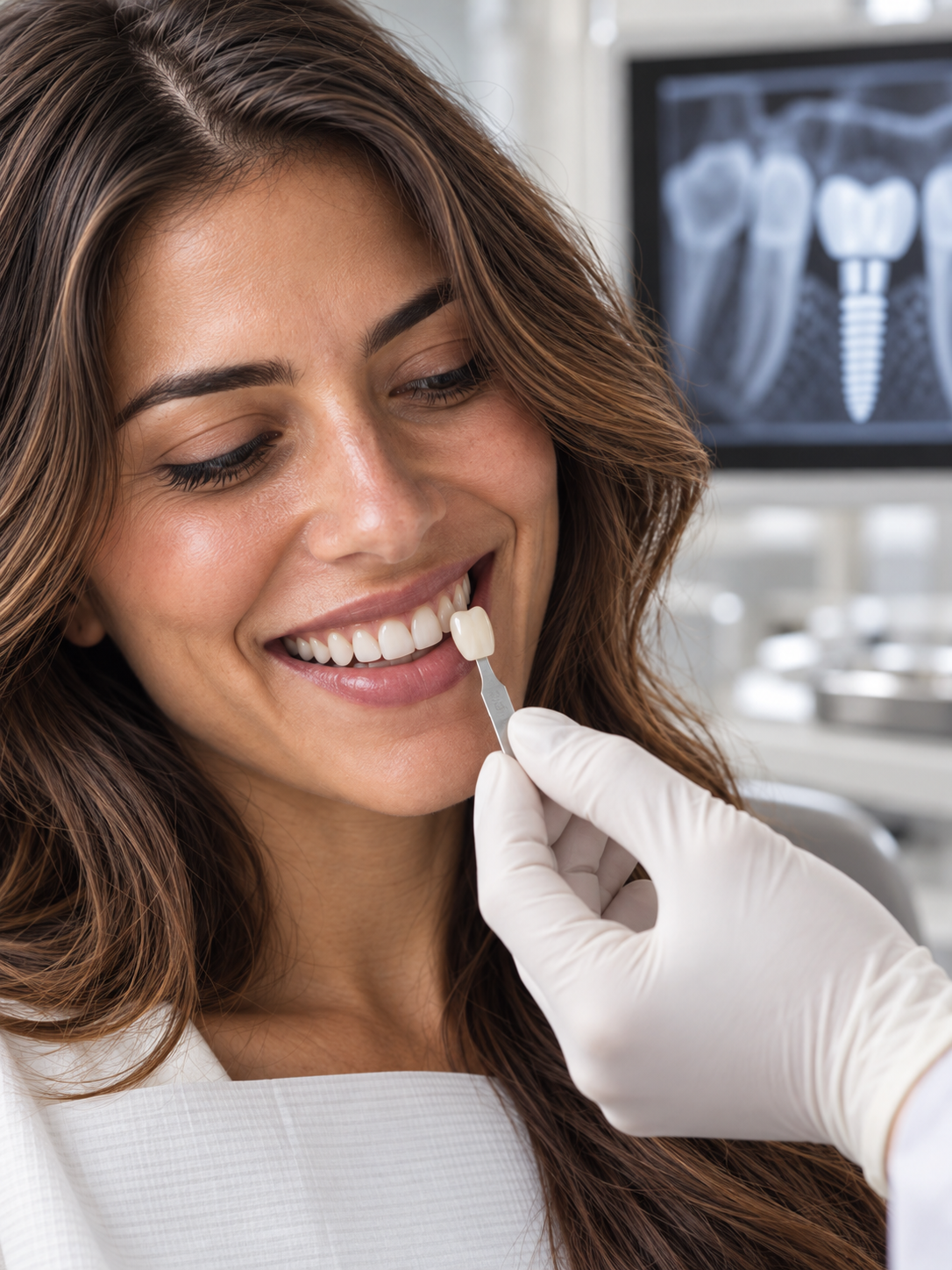
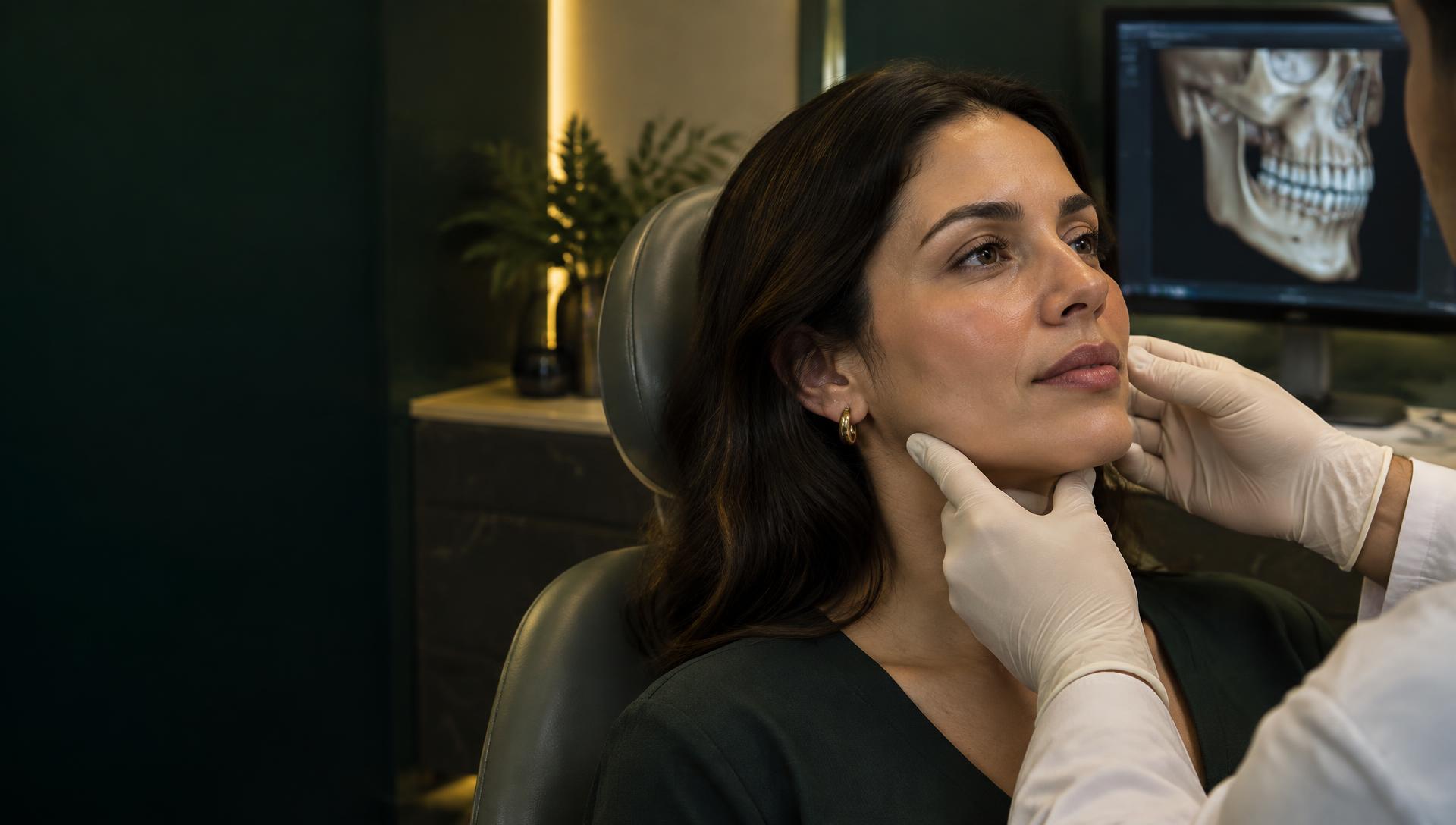
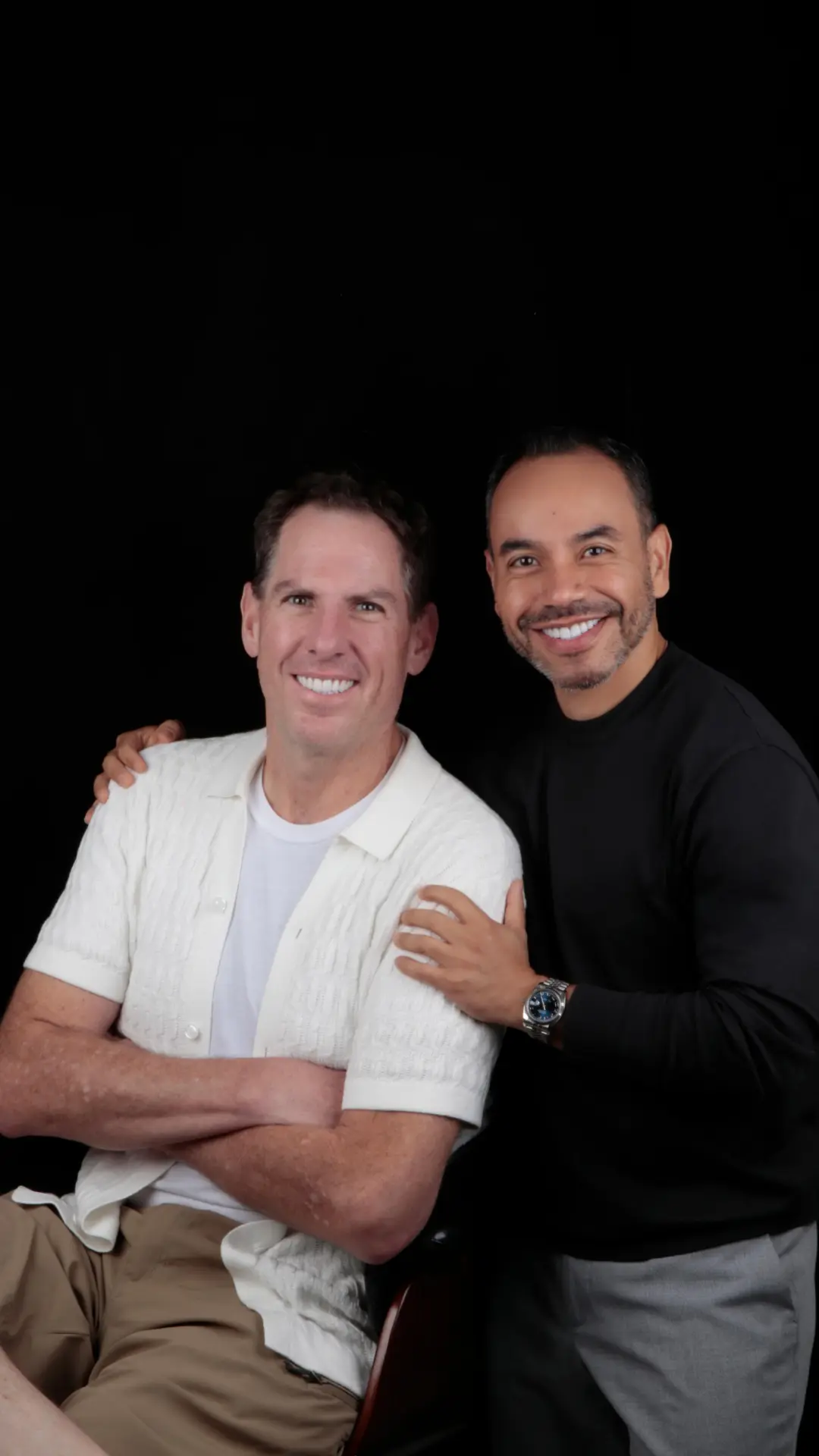
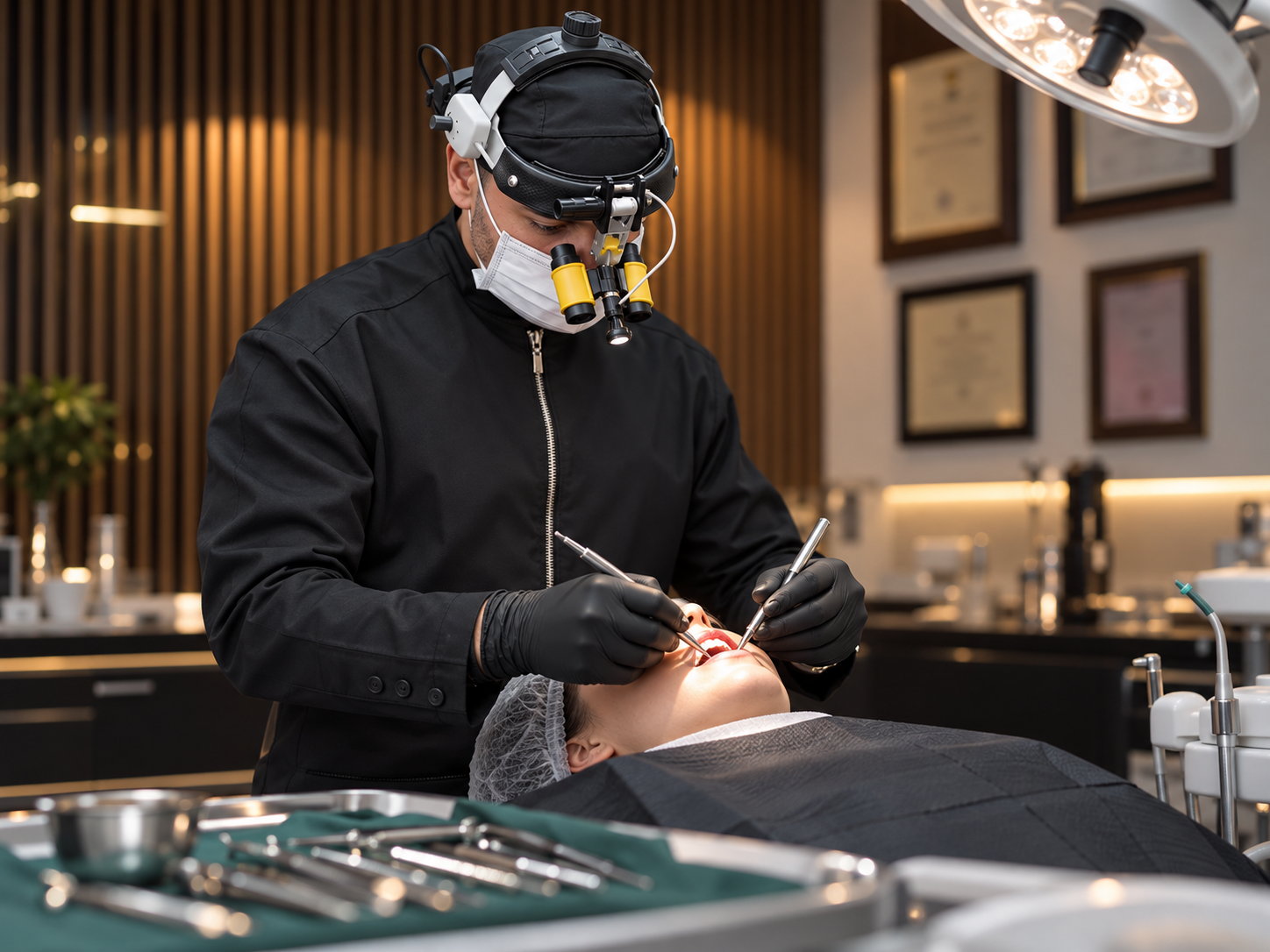
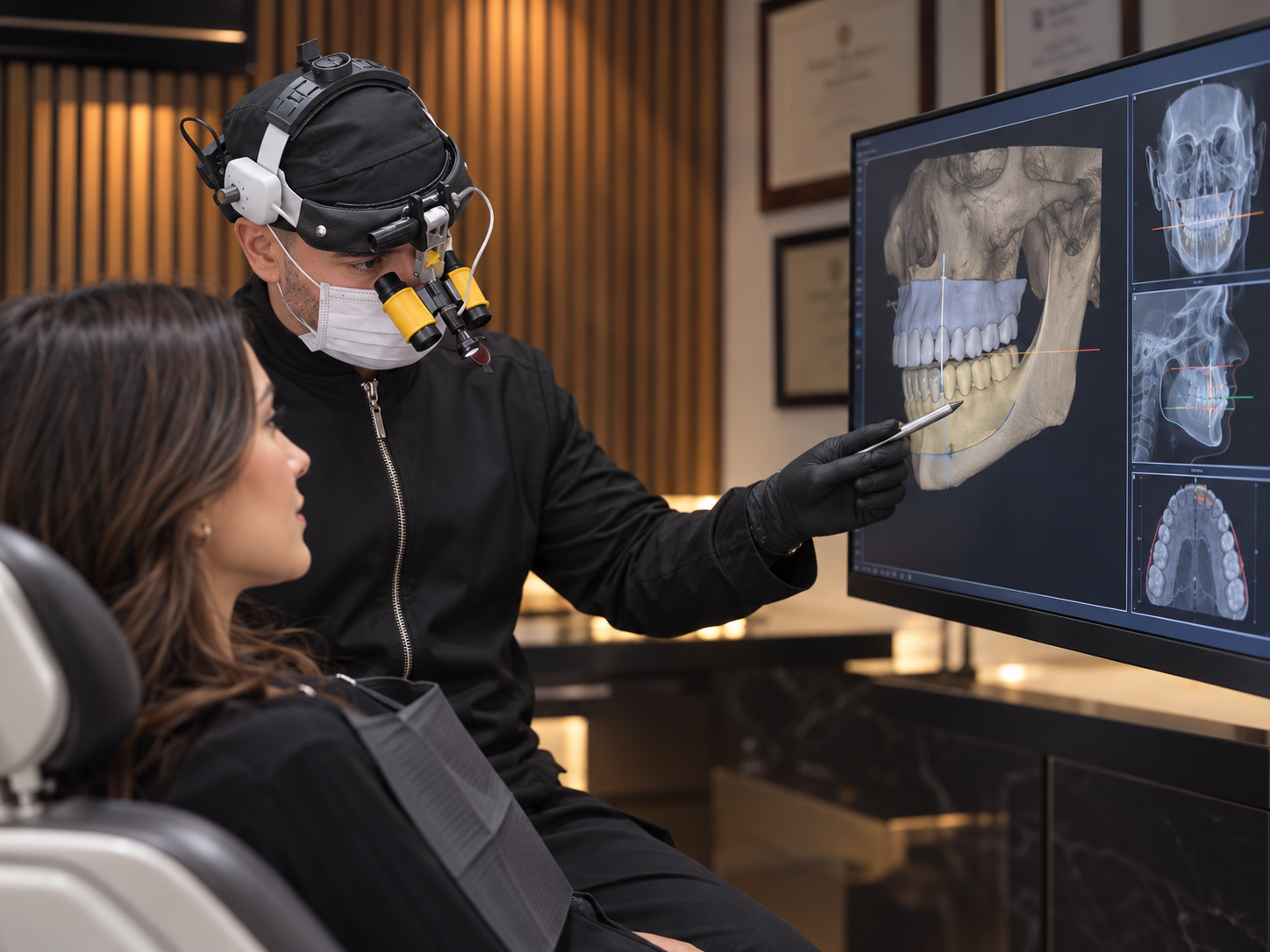
Illustrative images; they do not show real patients or facilities
25 years
Professional practice of the clinic since 2001.
Specialised care
Assessment by the appropriate professional.
Individual diagnosis
Every procedure requires evaluation.
Responsible planning
Decisions based on your clinical conditions.
We understand your concern
Every case is different. Every decision deserves attention.
Tell us what brings you in and we will guide you towards a professional assessment.
- 01I am worried about my wisdom teethI want to know if I need a surgical extraction.
- 02I was told I need oral surgeryI need to assess a complex extraction or another procedure.
- 03I have bite or jaw problemsI want to know my maxillofacial assessment options.
- 04I have jaw discomfortPain, limited movement or locking worries me.
If you suffered a hard blow to the face, suspect a fracture, have bleeding that will not stop or difficulty breathing, go to the emergency room immediately. Do not wait for a WhatsApp reply.
01 / Third molars
Your wisdom teeth deserve a well-informed decision.
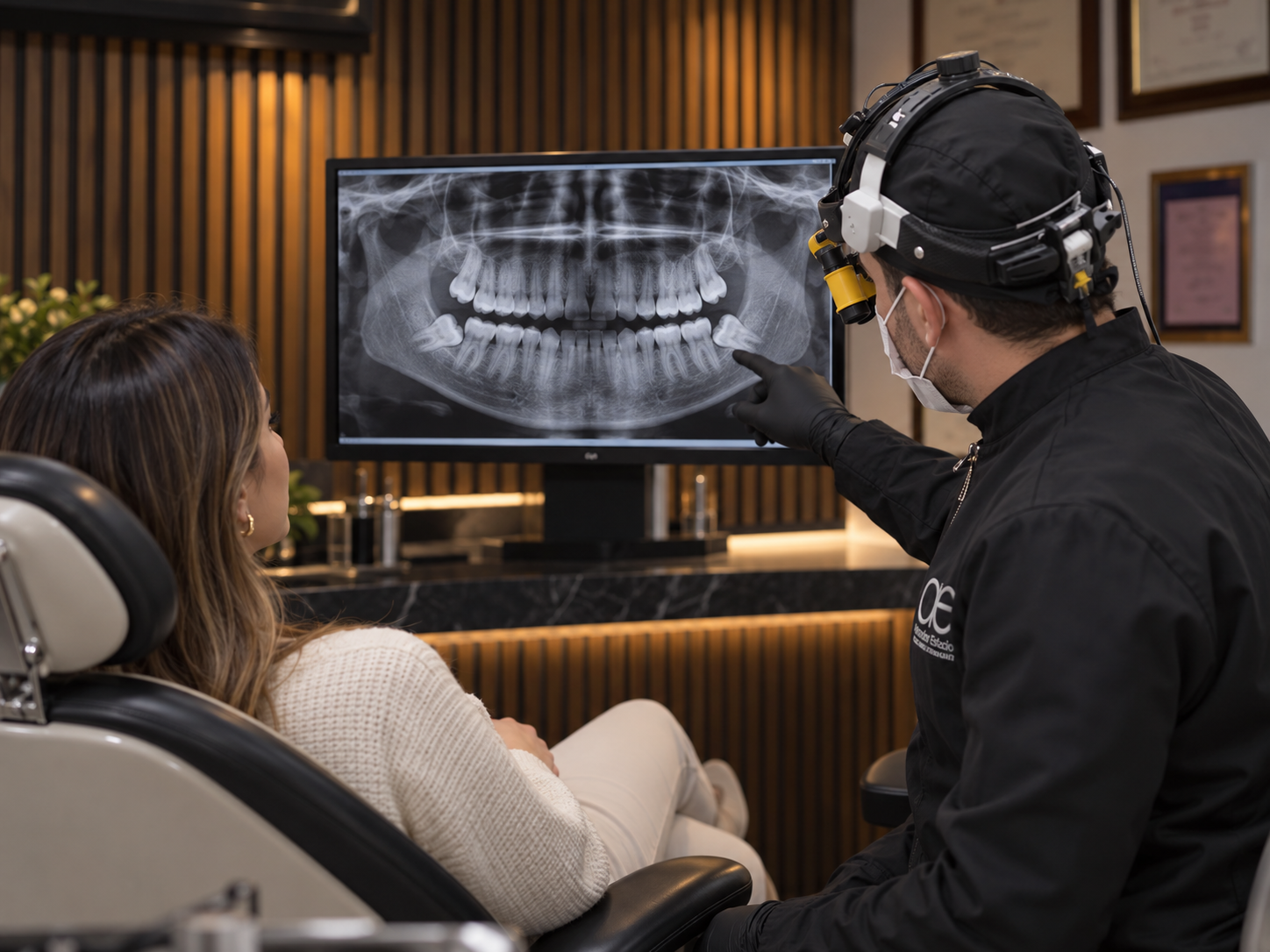
Not every wisdom tooth needs removal. An assessment decides whether to treat or monitor.
- Position and tissue evaluation.
- X-ray when indicated.
- Planned extraction if appropriate.
- Personalised instructions and check-ups.
What you should know
Wisdom teeth may erupt normally or stay impacted. Sometimes they cause discomfort, infections or affect the neighbouring tooth.
Ask for an assessment if you have persistent back pain, swollen gums around the tooth, repeated infections, or another professional recommended removal.
How it is planned
- 01Assessment
- 02Planning
- 03Procedure
- 04Recovery
What to consider
- Symptoms can have other causes.
- Not every patient needs a CT scan.
- Discomfort and swelling may follow.
- Time off depends on the surgery and your activities.
Must all wisdom teeth be removed?+
No. Some healthy, functional ones can stay under professional monitoring.
Do all four have to come out?+
Not always. It depends on each tooth and the diagnosis.
Does it hurt?+
Appropriate anaesthesia is used. Discomfort and swelling may follow.
02 / Oral surgery
Precision for procedures that need specialised care.
Procedures on teeth, gums and supporting bone, planned according to your individual diagnosis.
- Complex surgical extractions.
- Assessment of impacted teeth.
- Planning for your case.
- Follow-up after the procedure.
What you should know
Some teeth, because of their position or condition, cannot be removed conventionally and need a surgical approach.
Not every impacted tooth needs surgery. The assessment decides.
What to consider
- Each procedure has its own recovery.
- Prior studies may be needed.
- Tell us your medications and history.
Is an impacted tooth always operated on?+
No. Sometimes monitoring is advised; the assessment defines the path.
How long is recovery?+
It depends on the complexity and your conditions.
03 / Orthognathic surgery
When harmony also depends on structure.
Considered when a bite problem comes from the position of the jaws and orthodontics alone is not enough.
- Relationship between the jaws.
- Bite function.
- Planning with orthodontics.
- Interdisciplinary follow-up.
What you should know
It may be considered for skeletal bite problems, major differences between upper and lower jaw or some asymmetries. Not every asymmetry needs surgery.
It is major surgery: it may require general anaesthesia, a hospital stay and a recovery that varies. The professional explains benefits, risks and alternatives.
How it is planned
- 01Maxillofacial assessment
- 02Orthodontic evaluation
- 03Studies
- 04Individual plan
- 05Preparation
- 06Procedure in an accredited institution
- 07Recovery
- 08Completion
What to consider
- Post-operative swelling.
- Temporary changes in sensation and function.
- Risks of infection, bleeding or nerve injury.
- No promise of perfect symmetry or instant recovery.
How is it different from orthodontics?+
Orthodontics moves teeth; orthognathic surgery repositions the jaws when indicated. They are often combined.
Does every bad bite need surgery?+
No. Many are treated with orthodontics or other options.

04 / Temporomandibular joint
Speaking, chewing and smiling also depend on your jaw.
The assessment identifies the source of pain or limitation and the appropriate options.
- Persistent jaw pain.
- Difficulty opening or closing.
- Locking or changes in movement.
- Discomfort when chewing.
What you should know
Diagnosis includes history, examination and studies when needed.
Many disorders are first managed conservatively. Only selected cases need minimally invasive or surgical procedures.
What to consider
- These symptoms do not always mean a TMJ disorder.
- A joint noise is not always disease.
- Not every patient needs surgery.
Does jaw pain always need surgery?+
No. Many cases start with conservative options.
What if my jaw clicks?+
It can have several causes. If there is pain, locking or limitation, get it checked.
Interdisciplinary planning
Rebuilding a smile can also begin in the bone.
Some implant treatments need a prior surgical assessment of bone and tissues.
- 01
Bone assessment
- 02
Implant site preparation
- 03
Coordination with oral rehabilitation
- 04
Follow-up
Precision starts earlier
Precision begins before the procedure.
No surgery is indicated without assessment, explanation of alternatives and informed consent.
- 01
Medical history
Your background and needs.
- 02
Clinical exam
Evaluation of the area.
- 03
Indicated studies
X-rays or CT only when needed.
- 04
Individual plan
Alternatives, risks, preparation and follow-up.
An integral vision of the smile
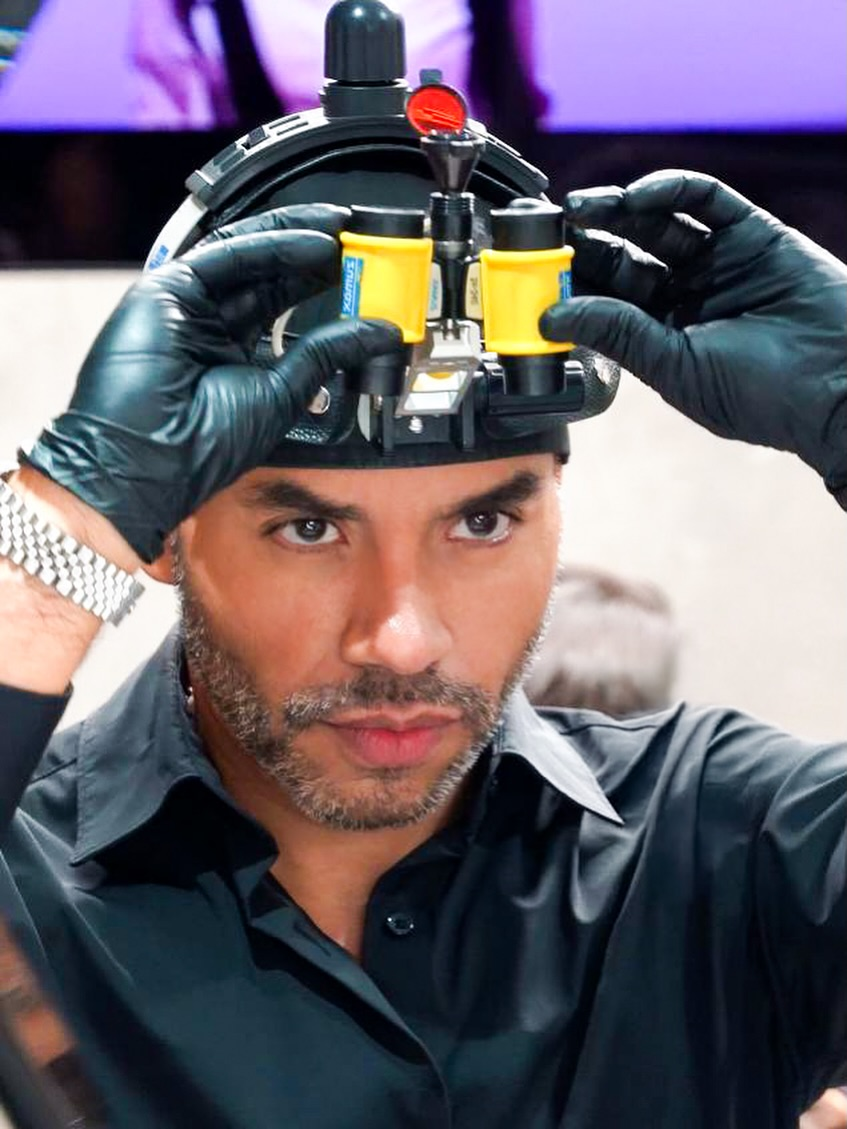
Alexander Estacio. A career built around care.
Since 2001, Alexander Estacio has built his career in aesthetic dentistry, oral rehabilitation and personalised care.
When a treatment needs other specialties, interdisciplinary work brings different expertise together around each patient.
- 25 years of general practice
- Member of the Colombian Dental Federation
- Interdisciplinary approach
- Personalised care
Your safety is part of the plan
Before surgery, every detail matters.
- 01
Health history
- 02
Medications
- 03
Anaesthesia
- 04
Consent
- 05
Companion
- 06
Institution
After the procedure
Care continues after surgery.
- Will there be swelling?
- Can I eat normally?
- Will I need time off?
- When is my check-up?
If you have difficulty breathing, heavy uncontrolled bleeding or other serious signs, go to the emergency room.
The dental spa experience
A caring experience that begins when you arrive.
The garden, aromatherapy, music and hospitality accompany your reception and consultation.
Garden with fish and turtles
Aromatherapy
Ambient music
Tea
Comfortable spaces
Hospitality
Stories that began with a smile
Trust is built on real experiences.
Patient experiences with the clinic, published on Instagram.

Johan Andrés Mojica
View on Instagram ↗

Daniela Toloza
View on Instagram ↗

Juanita Urrea
View on Instagram ↗
How it begins
Every procedure begins with a good decision.
- 01
First conversation
Tell us why you are consulting.
- 02
Specialised assessment
Your case and needed studies are reviewed.
- 03
Treatment plan
Indication, alternatives, risks and conditions.
- 04
Procedure
In the accredited setting with the right team.
- 05
Recovery
Individual instructions and check-ups.
Your first step
An important decision begins with a proper assessment.
Before discussing a procedure we need to understand the diagnosis, the alternatives and the care requirements.
Written guarantee of 3 to 5 years, depending on the treatment.
The scope, covered materials and requirements are explained before starting; it does not apply universally to every technique.
Specialised consultation
100% credited to your treatment
The cost of the procedure is quoted after diagnosis, according to your plan. The consultation does not cover surgery.
Book your consultationFrequently asked questions
What people usually ask us.
Maxillofacial surgery
Does every assessment end in surgery?+
No. The diagnosis may point to monitoring, non-surgical treatment, referral or a procedure.
Who will perform my treatment?+
The appropriately qualified professional, in the right setting. The team tells you who will be in charge.
Safety
What anaesthesia do you use?+
It depends on the procedure, your condition and the care setting. It is explained at the consultation.
What are the risks?+
They vary by procedure. The specialist explains possible complications and alternatives.
Can I travel afterwards?+
It depends on the procedure. Ask before planning trips.
Price and contact
How much does maxillofacial surgery cost in Cali?+
It depends on the procedure, complexity, studies, anaesthesia and setting. It is explained after the consultation.
Can I enquire from another country?+
Yes. Diagnosis, surgery and follow-up may require in-person care.
International patients
Your specialised assessment can begin in Cali.
If you live outside Colombia we guide you through the first steps. Procedures require planning, in-person care and follow-up before travelling again.
Alexander Estacio · Maxillofacial surgery
Peace of mind begins with a good decision.
Every case deserves to be heard, understood and assessed before deciding how to treat it.
We will tell you honestly whether we are the right team for you.
Integral care